

Transitioning from indoor climbing to the natural rock faces of the outdoors introduces a new set of challenges and considerations. For professional climbers aiming to refine their outdoor techniques, a thorough understanding of the basics is crucial. To effectively master outdoor rock climbing, it’s highly recommended to learn under the guidance of accredited instructors. Engaging with certified professionals, such as those accredited by the American Mountain Guides Association (AMGA), ensures that you receive instruction adhering to the highest safety and technical standards. Learning from qualified guides not only accelerates skill development but also instills best practices essential for safe and responsible climbing. Below are some quick key insights to enhance your outdoor climbing experience.
1) Comprehensive Pre-Climb Preparation
Before embarking on an outdoor climb, meticulous preparation is essential:
- Route Research: Study the specific route, including its grade, length, and any known hazards. Utilize guidebooks and online resources for detailed information.
- Weather Assessment: Monitor weather forecasts leading up to your climb. Unpredictable weather can significantly impact safety and route conditions.
- Access and Regulations: Familiarize yourself with the area’s access policies, required permits, and any seasonal restrictions to ensure compliance with local regulations.
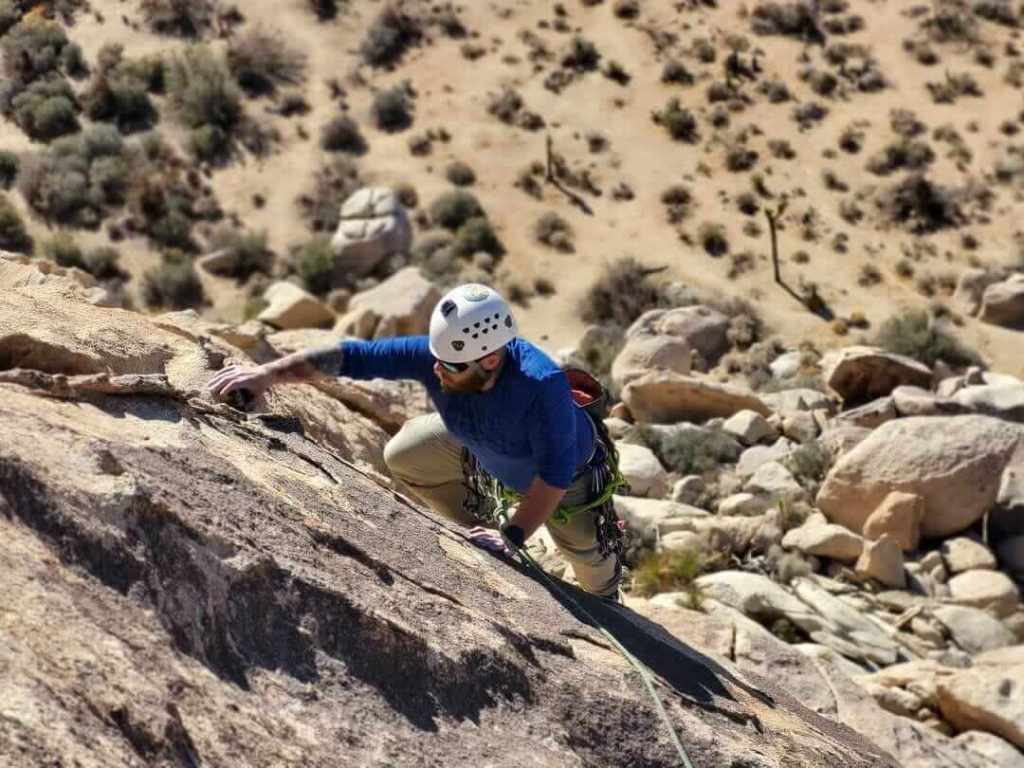
2) Mastery of Essential Knots and Belay Techniques
Proficiency in fundamental knots and belaying is non-negotiable:
- Knots: Ensure you can tie and inspect essential knots, such as the figure-eight follow-through and double fisherman’s knot, with precision.
- Belaying: Practice dynamic belaying techniques to provide a soft catch, reducing impact forces on the climber and gear.
- Rappelling: Konwing how to safely rappel is essential for climbing outdoor
Rock Climbing Training for Beginners: Building Strength and Endurance for Joshua Tree
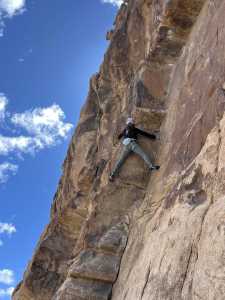
3) Strategic Gear Selection and Management
Selecting appropriate gear tailored to the specific climb is vital:
- Protection Devices: Choose cams, nuts, and hexes suitable for the rock type and crack sizes you’ll encounter.
- Rope Considerations: Opt for ropes with appropriate diameter and length, considering factors like fall potential and rope drag.
- Footwear: Select climbing shoes that balance sensitivity and support, appropriate for the route’s features and length.

4. Advanced Movement Techniques
Refining movement skills enhances efficiency and safety:
- Footwork Precision: Focus on deliberate foot placements to conserve energy and maintain balance.
- Body Positioning: Utilize techniques like flagging and drop knees to optimize body positioning and reduce strain.
- Resting Strategies: Identify and utilize rest stances to manage pump and recover during climbs.
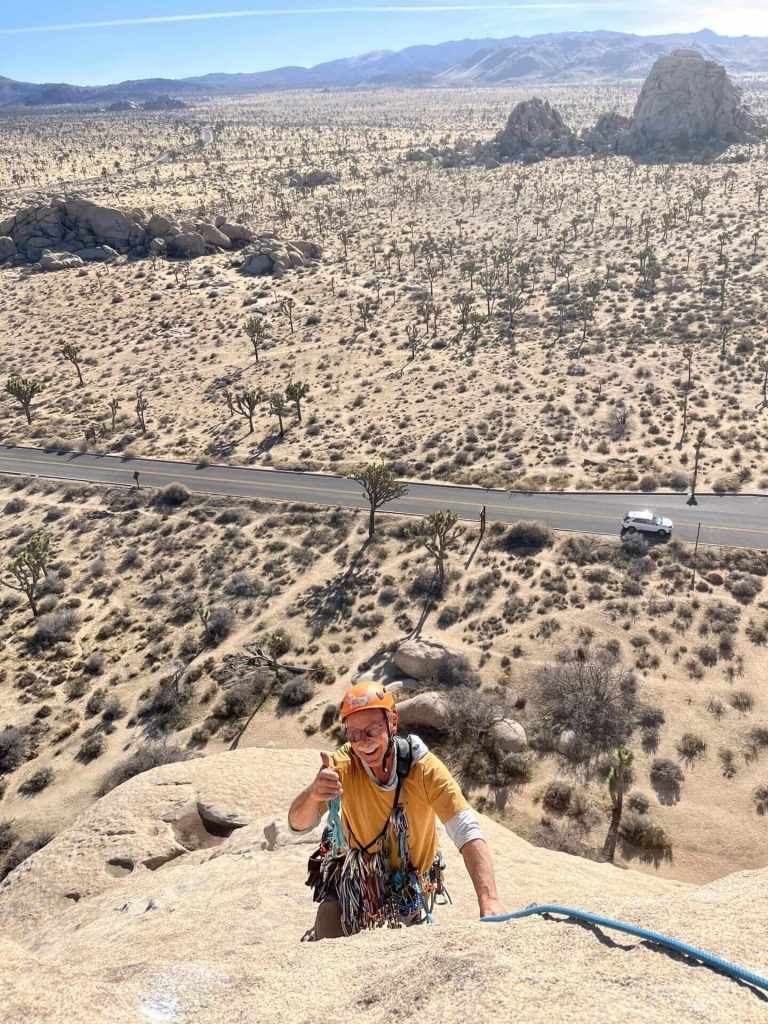
5. Gear Selection and Placement for Traditional Climbing
- Gear Selection: In traditional climbing, selecting and placing gear effectively is paramount for safety and success. Passive protection devices, such as nuts and hexes, and active devices like cams, should be chosen based on the specific features of the route, including crack sizes and rock quality. It’s essential to assess the integrity of rock features before placement, as some may be unstable or unsuitable for protection.
- Gear Placement: Regular practice in placing gear at ground level, followed by testing its security, can enhance proficiency. Additionally, it is advisable to place protection early and frequently, especially near the start of a pitch, where fall forces are higher due to limited rope stretch. As you progress, maintaining appropriate spacing between placements balances protection with efficient gear use.
Note that these are just some quick tips. You need to practice a lot and have tons of experience to be able to climb safely. We highly recommend climbing with a certified instructor before you feel confident to climb solely.
6) Environmental Stewardship and Ethics
Maintaining the integrity of climbing areas is a shared responsibility:
- Leave No Trace: Adhere to principles that minimize environmental impact, such as packing out all waste and avoiding disturbance to flora and fauna.
- Route Cleaning: Remove any temporary gear and chalk marks after your climb to preserve the natural state of the rock.
- Respect for Closures: Honor any access restrictions or closures to protect sensitive ecosystems and respect land management policies.
Top 10 must visit rock climbing routes
By integrating these foundational principles into your outdoor climbing practice, you not only enhance your safety and performance but also contribute positively to the climbing community and the preservation of natural climbing environments.