
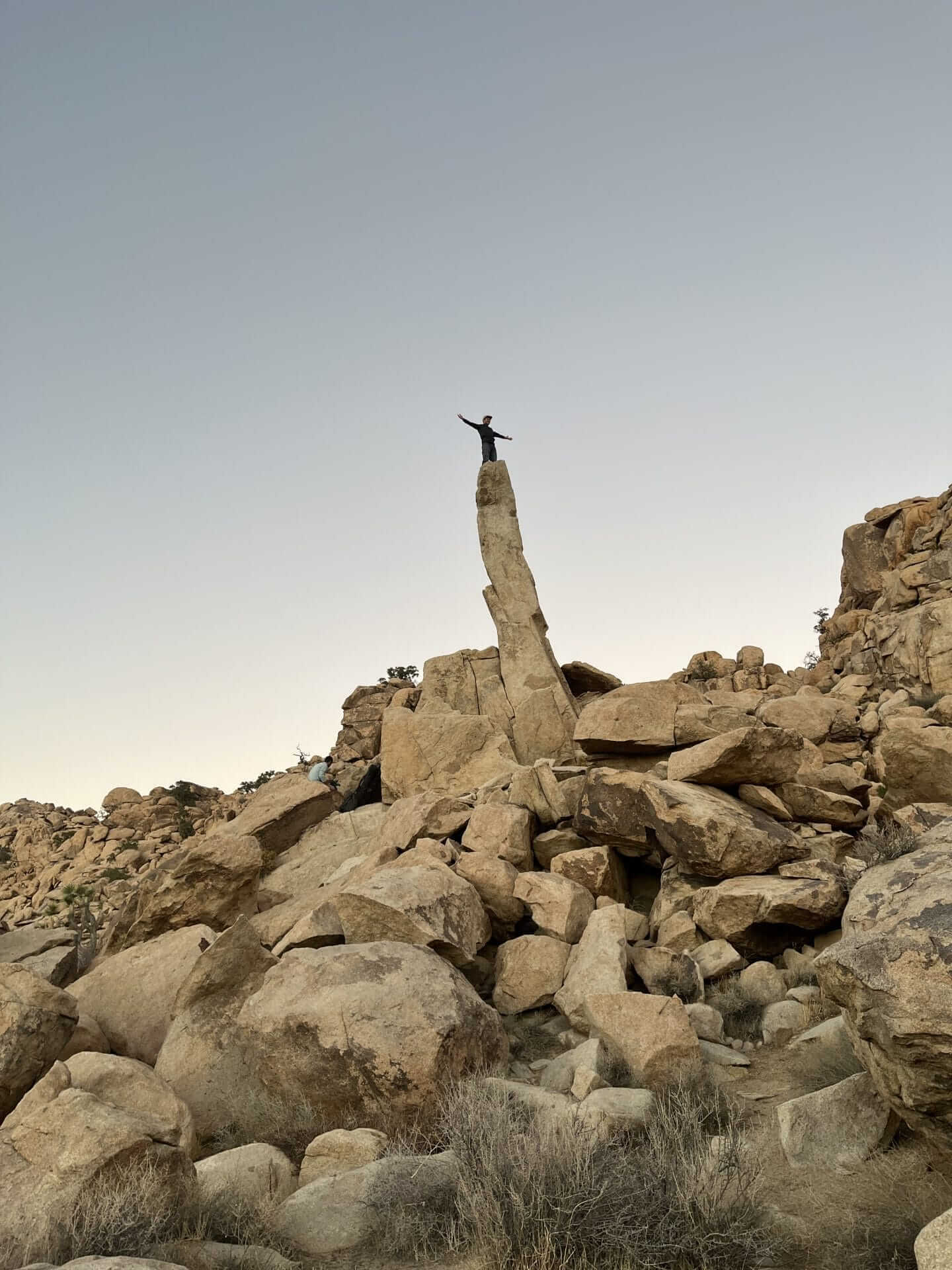
Joshua Tree National Park, located in southeastern California, is a hiker’s paradise, offering a diverse array of trails that meander through its iconic Joshua trees, rugged rock formations, and expansive desert vistas. However, the desert environment presents unique challenges, making the timing of your visit crucial for an enjoyable and safe hiking experience. This comprehensive guide delves into the seasonal nuances of Joshua Tree, helping you determine the best time to hike and what to expect during each period.
Understanding Joshua Tree’s Climate
Joshua Tree’s climate is characterized by significant temperature variations between seasons and even between day and night. The park straddles two distinct desert ecosystems: the higher-elevation Mojave Desert and the lower-elevation Colorado Desert, each contributing to the area’s unique weather patterns.
The National Park Service notes that temperatures are most comfortable in the fall and spring, with highs typically in the range of 70-85°F (21-29°C).

Spring (March to May)
Spring is often considered the prime season for hiking tour in Joshua Tree. Daytime temperatures are mild, generally ranging from the mid-70s to mid-80s°F (24-29°C), creating ideal conditions for outdoor activities. The desert comes alive during this period, with wildflowers blooming across the landscape, adding vibrant colors to the scenery.

Pros:
- Mild Temperatures: Comfortable for extended hikes.
- Wildflower Blooms: The desert flora is in full display, offering picturesque views.
Cons:
- Increased Crowds: The favorable conditions attract more visitors, leading to busier trails and campgrounds.
- Limited Accommodation: Higher demand can make it challenging to find lodging or campsite availability.
Tips:
- Plan Ahead: Make reservations for accommodations and campsites well in advance.
- Weekday Visits: Opt for weekday hikes to avoid peak weekend crowds.
Summer (June to August)
Summer in Joshua Tree is characterized by extreme heat, with daytime temperatures often soaring above 100°F (38°C). These conditions can make hiking hazardous, especially for those unaccustomed to intense heat.
Pros:
- Solitude: Fewer visitors mean less crowded trails.
- Stargazing: Warm nights provide comfortable conditions for nighttime activities.
Cons:
- Extreme Heat: High risk of heat-related illnesses during daytime activities.
- Limited Wildlife Activity: Many animals are less active during the day to avoid the heat.
Tips:
- Early or Late Hikes: Plan hikes during early morning or late evening hours to avoid peak temperatures.
- Hydration: Carry ample water and stay hydrated.
- Sun Protection: Use sunscreen, wear hats, and light, breathable clothing.
Fall (September to November)
Fall offers a reprieve from the summer heat, with temperatures gradually decreasing to more manageable levels, typically ranging from the mid-70s to mid-80s°F (24-29°C). The pleasant weather and reduced crowds make it an excellent time for hiking.
Pros:
- Comfortable Temperatures: Ideal for daytime hiking.
- Fewer Crowds: Less crowded than the spring season.
Cons:
- Shorter Days: Reduced daylight hours may limit the time available for longer hikes.
Tips:
- Layer Clothing: Evenings can be cool; bring layers to adjust to temperature changes.
- Check Sunset Times: Plan hikes to ensure completion before darkness.

Winter (December to February)
Winter brings cooler temperatures, with daytime highs averaging between 50-60°F (10-15°C) and nighttime lows often dropping below freezing. While snow is rare, higher elevations may experience occasional snowfall, adding a unique beauty to the desert landscape.
Pros:
- Tranquility: Lower visitor numbers provide a peaceful hiking experience.
- Unique Scenery: Potential for snow-dusted landscapes offers a different perspective of the park.
Cons:
- Cold Temperatures: Chilly conditions, especially in the mornings and evenings.
- Short Days: Limited daylight hours.
Tips:
- Dress Warmly: Use layers to stay warm during hikes.
- Be Weather Aware: Monitor weather forecasts for sudden changes.
- Trail Conditions: Some trails may be slippery or inaccessible due to snow or ice.

Additional Considerations
- Wildlife Activity: Wildlife is more active during cooler parts of the day, especially in spring and fall.
- Allergies: Spring blooms can trigger allergies; pack necessary medications if you’re sensitive to pollen.
- Trail Availability: Some trails may be closed or have restricted access during certain times of the year due to environmental concerns or maintenance.
Top 5 Easy Hikes in Joshua Tree for Beginners
Conclusion
Determining the best time to hike in Joshua Tree National Park depends on your personal preferences and tolerance for temperature variations. Spring and fall are generally considered the most favorable seasons, offering mild temperatures and vibrant landscapes. However, with proper preparation and awareness, each season provides a unique and rewarding hiking experience in this remarkable desert wilderness.
